Is Dental Nursing a Good Career? A UK Career Guide
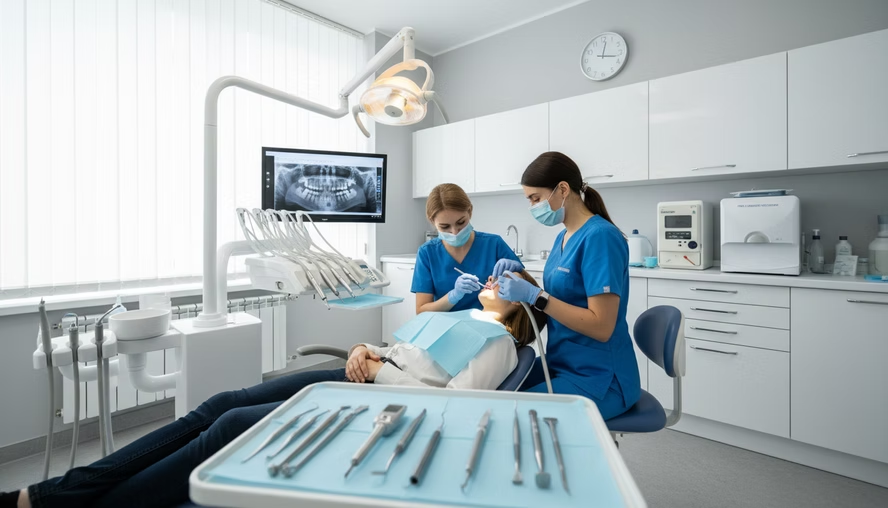
Dental nursing can be a strong career choice if you want practical healthcare work, regular patient contact, and clear routes to develop your skills. It is not always easy work, and it is not the right fit for everyone, but it can be a varied and rewarding role with plenty of room to grow.
A dental nurse supports dentists, hygienists, therapists, and patients throughout dental care. That can mean preparing instruments, reassuring nervous patients, maintaining infection control standards, updating records, and making sure the surgery runs safely and smoothly.
So, is dental nursing a good career? For many people, yes. The key is understanding what the job is really like, including the benefits, pressures, progression options, and training route.
Is Dental Nursing a Rewarding Career?
Dental nursing can be very rewarding because the role sits at the centre of patient care. Dental nurses often meet patients at every stage of their appointment, from arrival through to treatment and aftercare.
That means the role involves more than passing instruments. A good dental nurse helps patients feel calmer, supports the clinician, spots when something is needed, and keeps the appointment moving safely.
There is also a real sense of teamwork. Dental nurses work closely with dentists and other dental care professionals, often building strong working relationships in the surgery. When the team works well together, patients notice.
The variety can be another rewarding part of the job. One appointment might involve a routine check-up, the next could be a filling, extraction, orthodontic adjustment, impression, scan, or oral health advice. Over time, dental nurses develop a broad understanding of dental treatment and patient needs.
One of the best parts of the role is seeing patients through their care. That might be helping someone who arrived anxious complete their treatment, supporting a child at their first appointment, or watching a patient regain confidence in their smile.
What Are the Benefits of Being a Dental Nurse?
Dental nursing offers a mix of stability, practical learning, and long-term development. It can suit people starting their first healthcare role as well as those changing career.
Key benefits include:
- Good job opportunities
Dental practices need trained dental nurses to run safely and meet professional standards. Roles may be available in general practice, specialist clinics, hospitals, community dental services, and private practices.
- Transferable skills
Dental nurses build skills in communication, organisation, infection prevention, record keeping, stock control, teamwork, and patient support. These skills can be useful across healthcare and education roles.
- Different working environments
Not every dental nursing role looks the same. Some nurses work in NHS practices, others in private clinics, orthodontic practices, oral surgery settings, dental hospitals, or training environments.
- Clear progression routes
Dental nursing can lead to extended duties, specialist areas, practice coordination, management, training, assessing, or further study.
- Further qualifications
Once qualified, dental nurses can take additional courses in areas such as dental radiography, sedation nursing, oral health education, and orthodontic nursing.
Dental nursing can also offer structure. Many practices open during daytime hours, although some include evenings, weekends, or emergency sessions. Working patterns vary, but the role can be more predictable than some other healthcare jobs.
What Are the Challenges of Dental Nursing?
Dental nursing has many positives, but it should not be presented as an easy option. Dental surgeries can be busy, and the nurse often has to manage several tasks at once.
A typical day may involve preparing the surgery, supporting treatment, cleaning down between patients, sterilising instruments, updating notes, checking stock, reassuring patients, and communicating with the wider team. That pace can be demanding.
Anxious patients can also make the role more challenging. Some people are frightened of dental treatment, needles, pain, or past experiences. Dental nurses need patience, empathy, and calm communication, even when the appointment is running late.
Infection control is another major responsibility. Dental nurses must follow strict cleaning, decontamination, and cross-infection procedures. This is essential for patient safety, but it adds pressure because standards need to be consistent every time.
There are physical demands too. Dental nurses may spend long periods standing or sitting in fixed positions. The role can involve repetitive movements, lifting stock, and working in a confined clinical space.
You also need to keep learning. Registered dental professionals must complete continuing professional development, often called CPD. This helps keep knowledge up to date and supports safe practice.
The right training and workplace support make these challenges much easier to manage, but they are part of the job.
What Is It Like Working as a Dental Nurse?
Working as a dental nurse is practical, patient-facing, and team-based. The day normally starts before the first patient arrives, with the surgery checked, equipment prepared, instruments ready, and materials set out.
During appointments, the dental nurse supports the clinician and patient. This may include:
- Preparing materials
- Passing instruments
- Using suction
- Recording clinical notes
- Supporting X-rays where appropriate
- Monitoring patient comfort
- Giving post-treatment instructions
- Cleaning and preparing the room for the next patient
Teamwork matters every day. Dental nurses need to understand what the dentist or clinician is doing, think ahead, and respond quickly. Good dental nursing often looks calm from the outside because the nurse is quietly keeping everything organised.
Patient interaction is also a big part of the job. Dental nurses may welcome patients, explain what will happen next, check medical history details, reassure nervous patients, and help them understand aftercare advice.
The work can be varied, especially in practices that offer different treatments. A day might include check-ups, fillings, crowns, periodontal care, whitening consultations, orthodontic reviews, or emergency appointments.
That variety is one reason many people enjoy the role. It is active work, and no two days feel exactly the same.
Can You Progress as a Dental Nurse?
Yes, dental nursing can offer strong career progression. Many dental nurses start in general practice, qualify, gain experience, and then choose a direction that suits their interests.
Common progression routes include:
- Dental radiography
Qualified dental nurses can train to take dental radiographs under prescription, following the correct legal and safety requirements.
- Sedation nursing
Some nurses support patients receiving conscious sedation. This can be suited to those who enjoy helping anxious patients and working in more complex treatment settings.
- Oral health education
Dental nurses can train to give oral health advice, helping patients improve brushing, diet, and prevention habits.
- Orthodontic nursing
Nurses interested in braces, aligners, and long-term treatment planning may move into orthodontic settings.
- Practice management
Experienced dental nurses often progress into lead nurse, treatment coordinator, compliance, or practice management roles.
- Teaching and assessing
Some dental nurses go on to support trainees, assess workplace evidence, or teach dental nursing courses.
- Dental hygiene or therapy
With further study and the right entry requirements, some dental nurses move into dental hygiene or dental therapy.
Progression does not have to happen quickly. Some people enjoy chairside nursing and choose to stay there. Others use dental nursing as a foundation for a wider dental career.
How Much Can a Dental Nurse Earn?
Dental nurse pay varies depending on experience, location, setting, qualifications, and responsibilities. Trainee dental nurses usually earn less while they are learning, while qualified and experienced dental nurses can earn more, especially if they take on additional duties.
Specialist skills such as radiography, sedation, orthodontic nursing, or practice management may support higher pay. Private practices, hospitals, and specialist clinics may also offer different salary levels.
Because pay can change across regions and employers, it is best to check current job adverts and salary guides when comparing options.
Who Is Dental Nursing Suited To?
Dental nursing suits people who enjoy practical work and working with people. It is especially suited to those who can stay organised in a busy environment.
Helpful qualities include:
- Good communication
Dental nurses speak with patients, clinicians, reception teams, and sometimes laboratories or external services. Clear communication helps appointments run smoothly.
- Empathy
Many patients feel nervous or embarrassed about dental treatment. A kind, calm approach can make a real difference.
- Attention to detail
Small details matter in dental care, from instrument checks to clinical notes and infection control.
- Organisation
The surgery needs to be ready, materials need to be available, and records need to be accurate.
- Ability to work as part of a team
Dental nursing relies on trust and cooperation. The nurse and clinician need to work closely throughout treatment.
- Interest in healthcare
A dental nurse needs to care about safety, learning, and patient wellbeing.
The role may be less suitable for someone who dislikes close patient contact, finds clinical environments uncomfortable, or prefers work with little time pressure.
How Do You Become a Dental Nurse?
To become a dental nurse in the UK, you normally need to take an approved dental nursing qualification while gaining practical experience in a dental setting.
Many learners train while working as a trainee dental nurse. This allows them to build chairside skills, collect workplace evidence, and learn the theory needed for safe practice.
A common route is the NEBDN Level 3 Diploma in Dental Nursing. This qualification is widely recognised and can support registration with the General Dental Council once all requirements are met.
For a step-by-step breakdown, read our guide on how to become a dental nurse.
Frequently Asked Questions
Is dental nursing stressful?
Dental nursing can be stressful at times. Surgeries can be busy, patients may feel anxious, and infection control standards must be followed carefully. Good training, supportive colleagues, and experience help make the role more manageable.
Is dental nursing hard to learn?
Dental nursing takes time and commitment, but it is achievable with the right support. Learners need to understand dental terminology, treatments, anatomy, infection control, professional responsibilities, and chairside skills.
Do dental nurses have good career progression?
Yes. Dental nurses can progress into specialist areas such as radiography, sedation, oral health education, orthodontics, practice management, teaching, assessing, or further study in dental hygiene or therapy.
Can you become a dental nurse without experience?
Yes, many people start as trainee dental nurses without previous dental experience. Employers often look for reliability, communication skills, willingness to learn, and a caring attitude.
How long does it take to qualify?
The time it takes can vary depending on the course, training provider, workplace experience, and assessment schedule. Many dental nursing qualifications are completed over 12 months to two years.
Can you train as a dental nurse online?
Some theory parts of dental nurse training can be completed online, but dental nursing also requires practical workplace experience. You need hands-on training in a suitable dental setting to develop chairside skills.
Related Articles
- How to Become a Dental Nurse
- What Does a Dental Nurse Do?
- What Qualifications Do You Need to Become a Dental Nurse? | UK Guide
- A Day in the Life of a Dental Nurse in the UK: What to Expect
Ready to Start Your Dental Nursing Career?
If dental nursing sounds like the right fit, the next step is choosing a recognised training route that helps you build both knowledge and practical confidence.
Explore the NEBDN Level 3 Diploma in Dental Nursing and take your first step towards a career in dental care.